La Sur Real Colombia (2026)
 11 Nov 2026 to 15 Nov 2026
 Film Festival
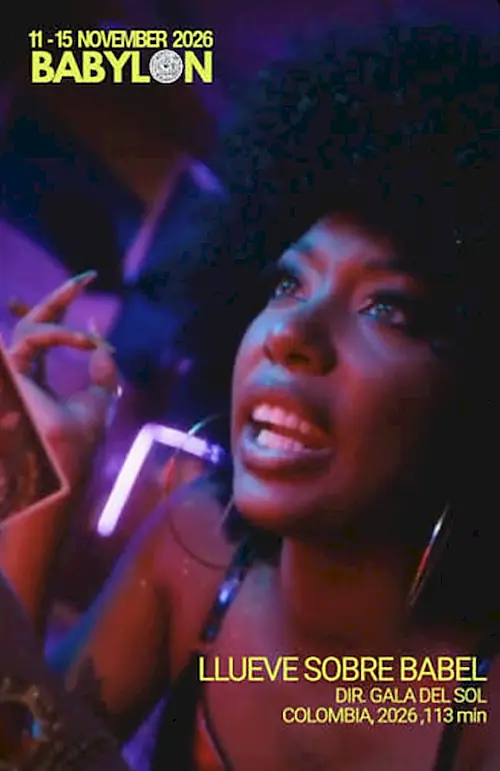
Second edition of La Sur Real, an independent festival dedicated to the cinemas of the Global South, devoted entirely to contemporary Colombian cinema. Over five days it invites audiences on a journey through landscapes shaped by memory, spectral presences and dreamlike atmospheres, where forests, archives, bodies and sounds bring different ways of sensing the real, the ancestral and the imagined into resonance.
 Website
- babylonberlin.eu
 The schedule of screenings below only includes screenings in the original language within 7 days from now, and may be incomplete. For a full list of sessions, please double-check the official website.
Participating Cinemas

Babylon Alexanderplatz
 Mitte
 U Rosa-Luxembourg-Platz, U Weinmeisterstr.
Showtimes in the original language

 No showtimes on this day match your current filters. You can adjust the filters above.
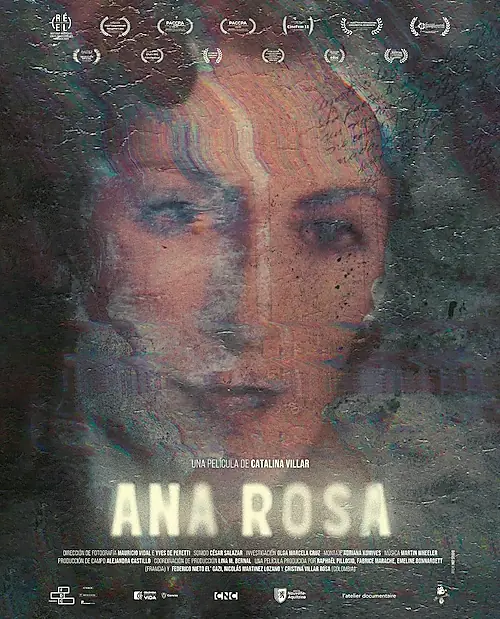 | Why did my grandmother have a lobotomy? By drawing the threads of this drama, I'm exploring the links between psychiatry and the society of its time and the very particular place of women in this history. |
 Documentary, History
 Spanish
 7.8
 3.5
| |
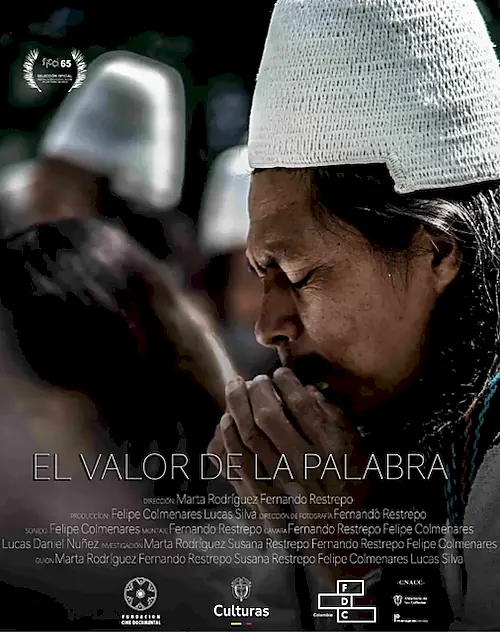 | Amid testimonies of pain, an ancestral wisdom emerges, one in which the land is a living being, women are weavers of knowledge, and words are the thread that sustains the existence of the Arhuaco people. From this emerges a profound reflection on leadership, gender, and the responsibility of weaving the thread of life for future generations. This documentary is an act of resistance against the ongoing colonial, religious, and military violence, as well as the structural impunity in Colombia. A lesson in what it means to defend life. |
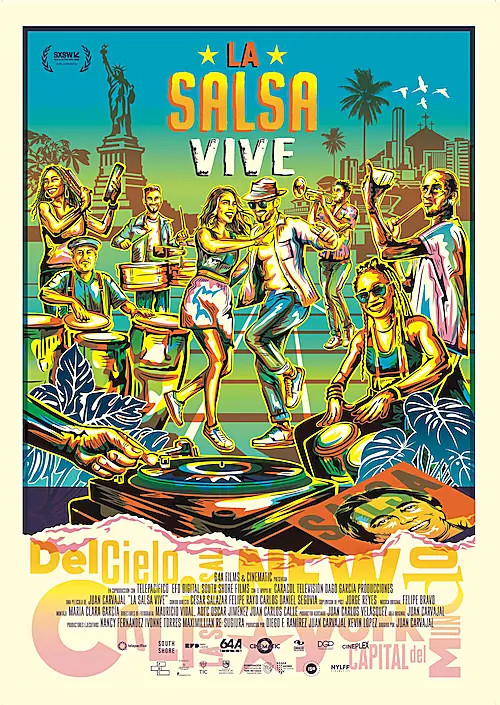 | "La Salsa Vive" is a vibrant cinematic exploration of Afro-Antillean music's history, tracing its roots from New York's lively streets to Cali, Colombia, now the global salsa capital. |
| |
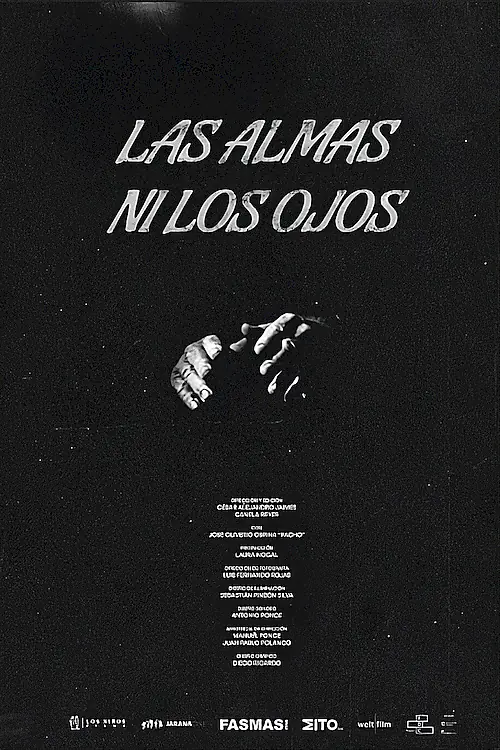 | After fleeing violence at age 15, Pacho spends four decades away from Anserma. Now a photograph sparks a desire to return, and on his journey home —imagined as an interstellar voyage— he searches for what he left behind. The lingering traces of death intertwine with a landscape of rural expressionism, memory, and history |
| |
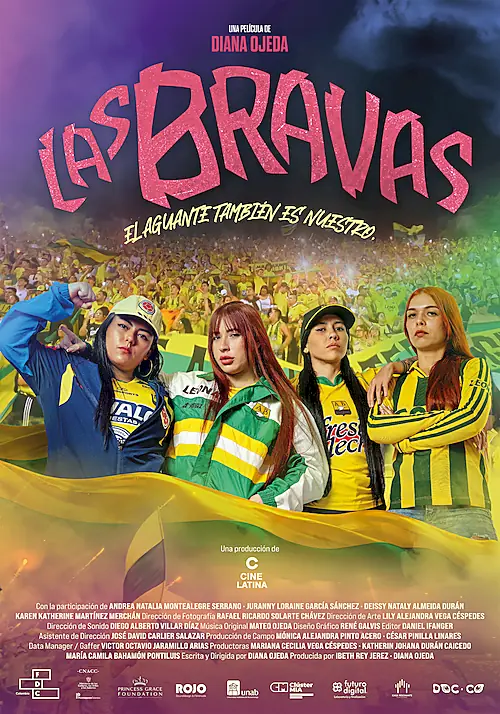 | In Bucaramangas stadium, football fan culture is a world dominated by men. For a decade, a collective of women has supported their team from the stands, but traditional fan culture prevents them from officially organizing and flying their own flag. Led by Natalia, they challenge their exclusion, facing harassment and violence. Meanwhile, Natalia fights to keep custody of her daughter, as her political activism threatens her position in family court. This film celebrates sisterhood and explores the limits of womens resilience when the stadium lights go out. |
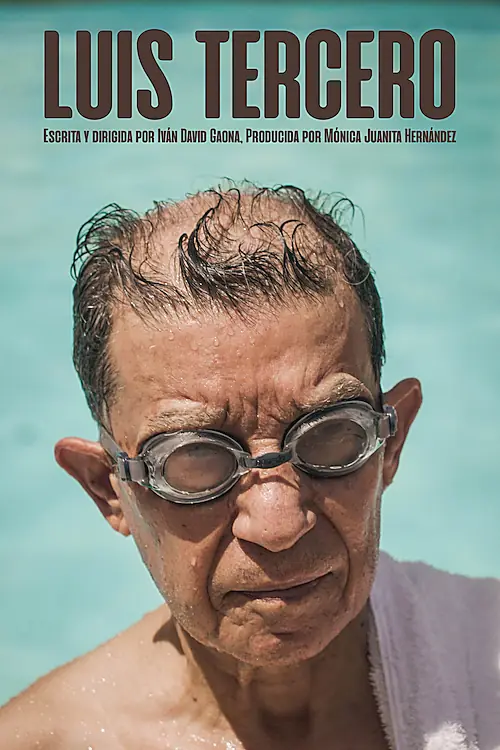 | After 5 years of retirement, Luis doesn't know what to do in the quiet of his days. His son Alejandro comes to the city and invites him to be part of a musical project, but Luis doesn't feel comfortable and tries to create his own group. |
| |
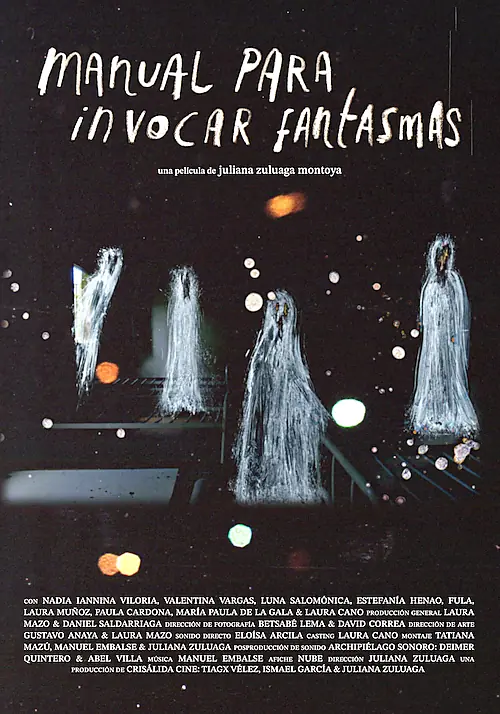 | Between 1950 and 1960, members of Opus Dei arrived in Colombia to expand their influence in Latin America. In 2021, the complaint against this organization by 43 women for trafficking and exploitation reopened the historical wound. In an exercise of imaginative memory, a group of actresses enters an abandoned school to create a play inspired by those silenced lives. |
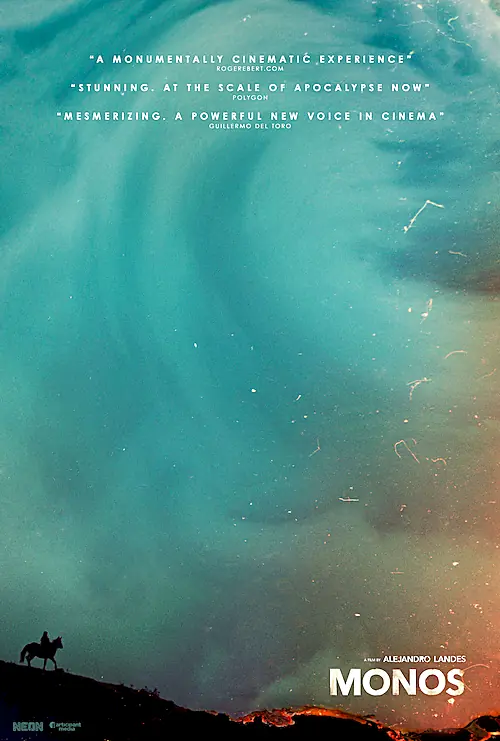 | On a remote mountaintop, eight kids with guns watch over a hostage and a conscripted milk cow. |
 93%
 85%
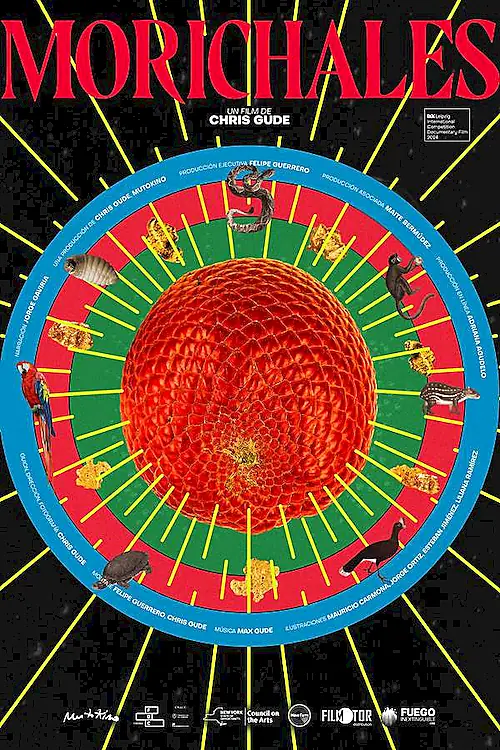 | In Venezuelan Guayana, large gold reserves lie beneath "moriche" palms, attracting multitudes of miners to the territory. A fictional explorer narrates a journey from far-flung mines in the jungle to the banks of the Orinoco River, trying to understand the uncertain fortune of humanity immersed in the anxious quest for treasure. His reflections combine illustrations and photochemical paintings to draw a map of the extraction and commercialization of gold, object and symbol through which he questions where value resides. |
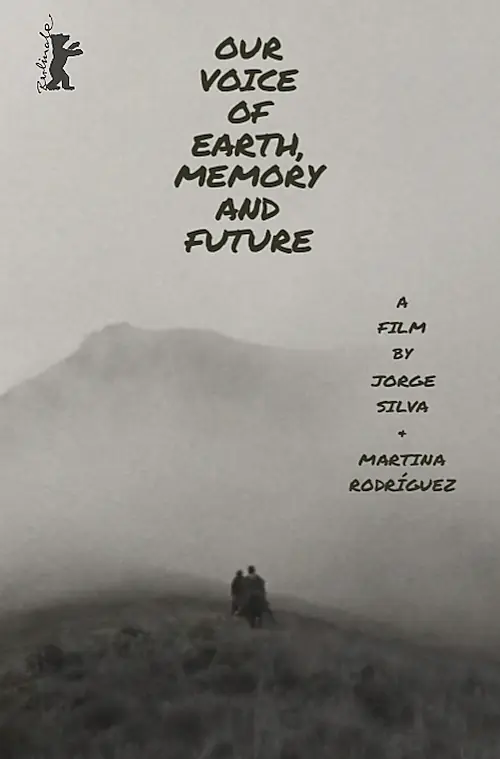 | The struggles of the community of the Coconuco indigenous reservation in Cauca, which by the eighteenth-century royal card is entitled to 10,000 hectares, and in 1971 it barely has 1,500. |
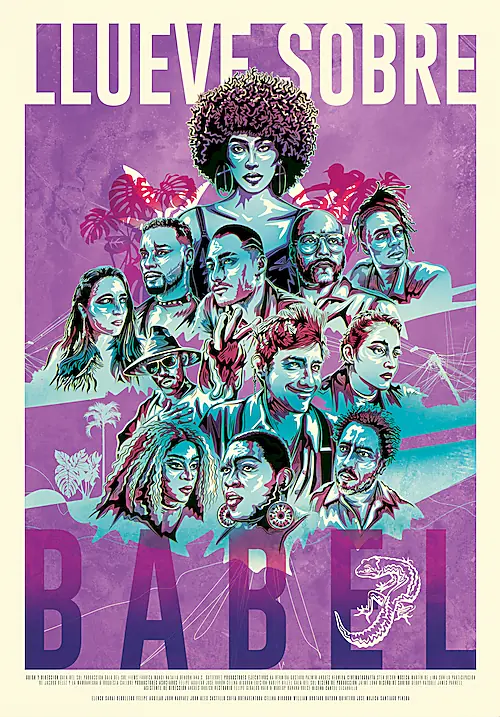 | A group of misfits converges at Babel, a legendary dive bar that doubles as purgatory, where La Flaca-the city's Grim Reaper-presides. Here, souls gamble years of their lives with her, daring to outwit Death Herself. |
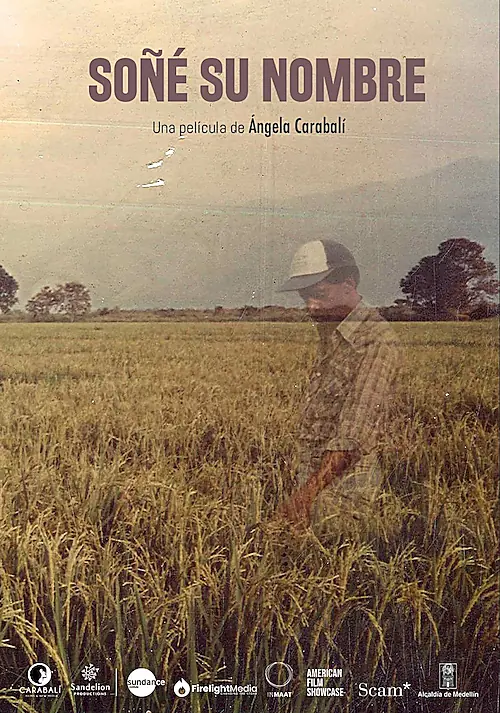 | A lengthy Colombian road leads Ngela and her sister into the indigenous territory where their father, an Afro-descendant farmer, disappeared years ago. |
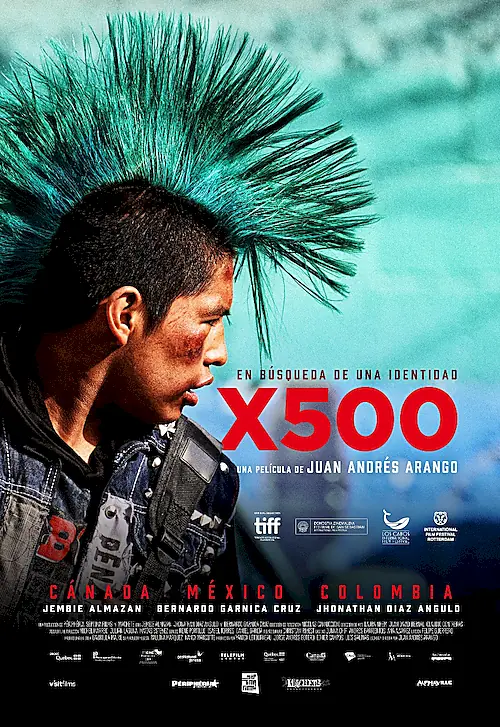 | Thousands of kilometers apart, three young migrants undergo mental, emotional, and physical transformations in order to survive the violence of their new worlds. |
 We also recommend: